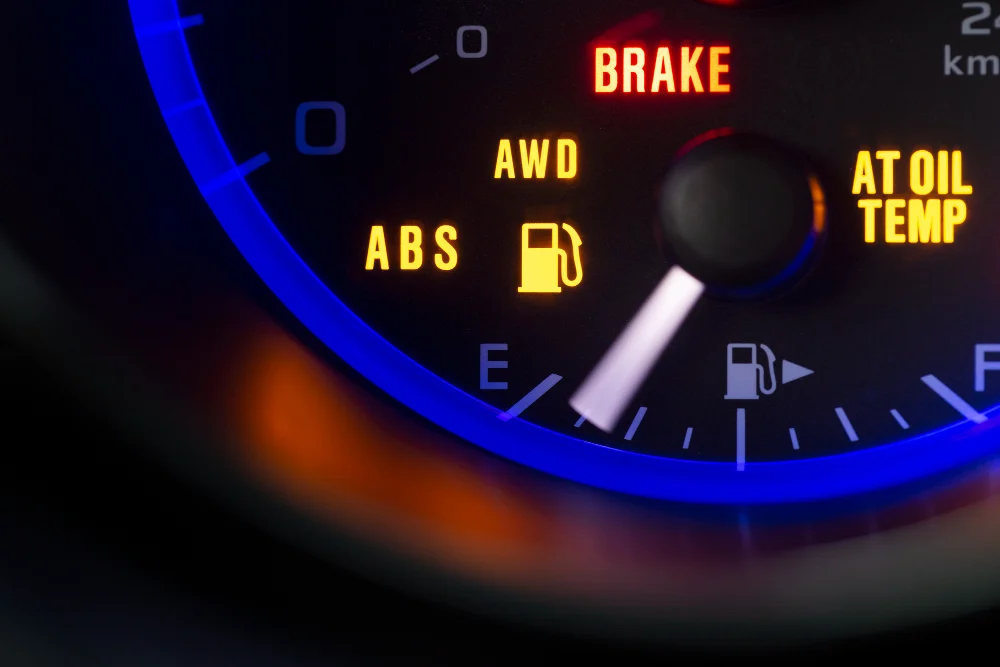
Your BMW’s dashboard is designed to communicate. Every warning light that appears is the car’s way of flagging something that needs your attention — some immediately, some within a few days, and some that can wait until your next scheduled service. The problem is that most BMW owners are not sure which is which.
This guide breaks down the most common BMW warning lights, what triggers them, and what the right course of action is for each.
Why BMW Warning Lights Are Different From Other Cars
BMW uses a layered warning system that goes beyond a simple on/off indicator. Most modern BMW models display warning lights in three colours — red, yellow, and green — each indicating a different level of urgency. Some warnings also come with an accompanying message on the iDrive screen, giving you more detail about what has been detected.
Understanding this colour system is the first step to responding correctly.
- Red — Stop driving as soon as it is safe to do so. These warnings indicate conditions that can cause immediate engine or mechanical damage.
- Yellow/Amber — Drive with caution. These warnings require attention soon but are not immediate emergencies.
- Green — Informational only. These confirm that a system is active, such as cruise control or high beam assist.
The Most Common BMW Warning Lights and What They Mean
1. Engine Warning Light (Check Engine)
This is one of the most frequently misunderstood warning lights. A yellow engine light typically means the engine management system has detected a fault — commonly related to the oxygen sensor, fuel system, ignition, or emissions. A red engine light combined with other warnings means you should stop the vehicle immediately.
The only way to accurately diagnose this is through a BMW diagnostic scan that reads the fault codes stored in the ECU. Clearing the light without reading the codes first is not a fix — it simply hides the problem.
What to do: Book a diagnostic check as soon as possible. Do not ignore a persistent engine warning light even if the car feels like it is running normally.
2. Oil Pressure Warning Light
This is one of the most serious warning lights on any BMW. Low oil pressure means the engine is not being lubricated properly, which can lead to severe internal damage within minutes of continued driving.
What to do: Pull over safely and switch off the engine immediately. Check the oil level using the dipstick. If the level is normal, the issue may be with the oil pump or a sensor — do not attempt to drive. Call for assistance.
3. Battery / Charging System Warning
This light indicates that the car’s electrical charging system is not functioning correctly. The most common causes are a failing alternator, a weak battery, or a loose connection. On modern BMWs, the battery management system (IBS) can also trigger this light when it detects that the battery is not holding charge as expected.
What to do: Reduce electrical load (turn off AC, heated seats, etc.) and drive directly to a workshop. Avoid switching the engine off if possible, as the car may not restart.
4. Coolant Temperature Warning
This light means the engine is running hotter than it should. Overheating can cause head gasket failure and serious engine damage very quickly on BMWs, particularly on the N-series engines which are known to be sensitive to cooling system issues.
What to do: Stop driving immediately. Allow the engine to cool before opening the bonnet. Do not open the coolant reservoir cap while the engine is hot. Have the cooling system inspected before driving again.
5. Brake System Warning Light
A red brake warning usually means the handbrake is engaged or brake fluid is low. A yellow brake light often points to a fault in the ABS or brake wear sensors indicating that the brake pads need replacement.
What to do: If the handbrake is off and the light is still on, check brake fluid levels. If fluid is low or the light persists, have the brake system inspected immediately — braking performance may be compromised.
6. Steering System Warning
BMW’s electric power steering system can flag faults through this warning. You may also notice the steering feeling heavier than usual. In some cases, this is triggered by a software glitch that resolves with a restart, but a persistent light needs professional diagnosis.
What to do: If the steering feels normal and the car restarts without the light returning, monitor the situation. If the warning persists or steering feels affected, visit a workshop promptly.
7. Tyre Pressure Warning (RDC)
BMW’s Run Flat Control (RDC) system monitors tyre pressure in real time. This light activates when one or more tyres drop below the recommended pressure. In the UAE climate, tyre pressure fluctuates more frequently due to heat, making this a common warning.
What to do: Check all four tyre pressures at the nearest petrol station and inflate to the values listed on the sticker inside your driver’s door. Reset the RDC system from the iDrive menu after adjusting. If the light returns shortly after resetting, have the tyre inspected for a slow puncture.
8. Transmission / Gearbox Warning
This warning is more common on BMWs with automatic transmission and indicates either a gearbox temperature issue or a detected fault in the transmission control unit. Gearbox faults should never be ignored as they can escalate quickly into costly repairs.
What to do: If you notice this alongside rough shifting, hesitation, or slipping, stop driving and have the vehicle diagnosed. Continuing to drive with a gearbox fault can cause permanent damage to the transmission.
When to Visit a Workshop vs When to Stop Immediately
| Warning Light | Urgency | Action |
| Oil Pressure (Red) | Immediate | Stop engine now |
| Coolant Temperature (Red) | Immediate | Stop driving now |
| Engine Warning (Red) | Urgent | Stop safely, call for help |
| Brake Warning (Red) | Urgent | Check fluid, stop if unsure |
| Engine Warning (Yellow) | Soon | Book diagnostic within 2 days |
| Gearbox Warning (Yellow) | Soon | Avoid heavy driving, book check |
| Battery Warning | Soon | Drive directly to workshop |
| Tyre Pressure (Yellow) | When safe | Inflate tyres at next stop |
Why Proper BMW Diagnostics Matter
Generic OBD scanners that work on most cars often cannot read the full fault code library on a BMW. BMW vehicles use proprietary diagnostic protocols, and a proper diagnosis requires BMW-specific software that can access all control units — not just the engine ECU.
At Sree Auto, we use BMW-level diagnostic tools to read every fault code across all systems, giving you an accurate picture of what is happening before any repair work begins.
Get Your BMW Diagnosed at Sree Auto, Sharjah
If any of the warning lights above have appeared on your dashboard, the safest step is a full diagnostic check. At Sree Auto, our technicians are trained specifically on BMW and Mini vehicles, and we can read, interpret, and resolve fault codes across all BMW models and series.
Call us on +971 506316503 or visit sreeauto.com to book your diagnostic appointment.
Written by the Sree Auto Team — BMW and Mini specialist workshop in Sharjah, UAE.